As energy prices rise and environmental standards tighten, Passivhaus design has become one of the most effective ways to create homes that are comfortable, energy-efficient, and future-proof.
For homeowners in the UK, Passivhaus offers a proven route to reduced running costs, lower carbon emissions, and long-term comfort.
This guide explains:
What Passivhaus is
How it works for new builds and retrofits
Certification vs. design principles
Our experience and in-house Passivhaus design expertise
Passivhaus (or Passive House) is a rigorous standard for low-energy building design, developed in Germany in the 1990s and now widely adopted in the UK. Its goal is simple: to create buildings that require very little energy for heating or cooling, while maintaining excellent comfort and indoor air quality.
Passivhaus homes typically reduce energy demand for heating by up to 90% compared to conventional housing.
Key features include:
Super-insulated walls, roofs, and floors
Airtight construction
High-performance triple-glazed windows
Mechanical Ventilation with Heat Recovery (MVHR)
Careful detailing to avoid thermal bridging
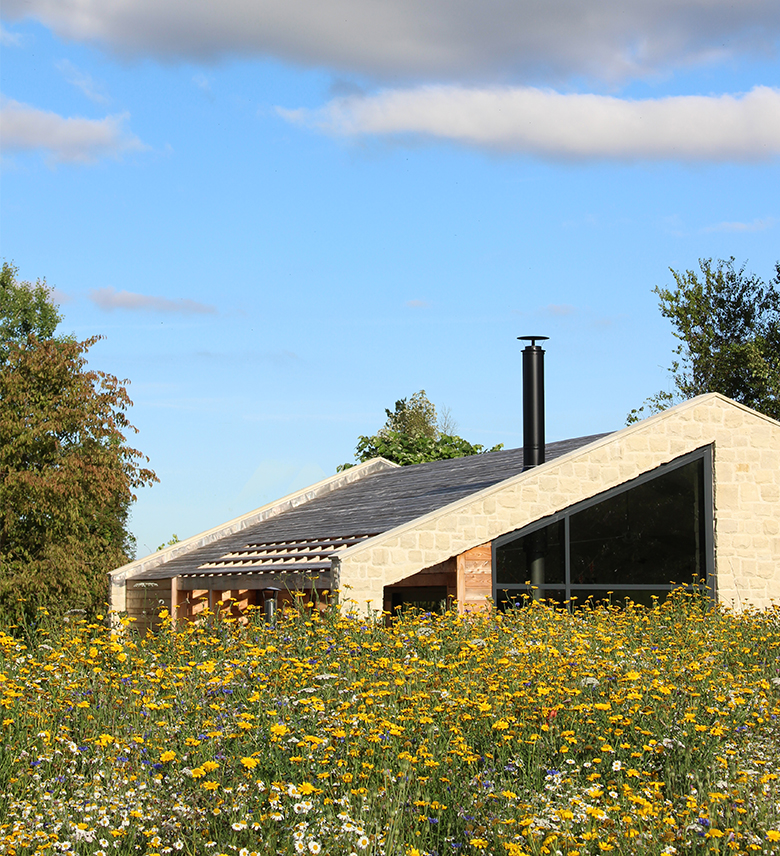
Low Energy Bills: Heating and cooling demand is dramatically reduced.
Consistent Comfort: Stable temperatures with no cold draughts or overheating.
Better Air Quality: Continuous filtered ventilation improves indoor air.
Sustainable: Reduced operational carbon and reliance on fossil fuels.
Future-Proofed Homes: Exceeds current UK Building Regulations Part L requirements.
A common question is whether formal certification is necessary.
Official Passivhaus certification ensures a building meets strict energy performance targets, verified independently. Certified homes:
Use extremely little energy for heating and cooling
Maintain stable, comfortable indoor temperatures
Deliver excellent air quality
Certification involves performance modelling (PHPP) and on-site testing. Learn more here: Passivhaus Certification Explained
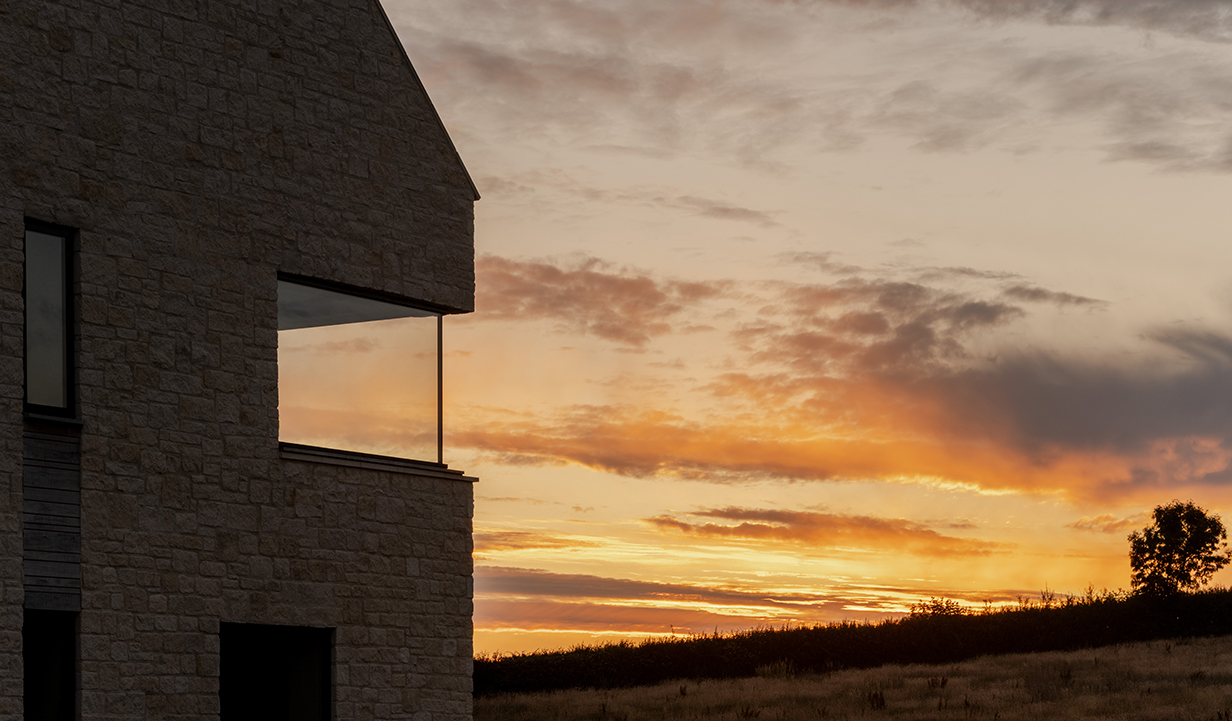
Not every project pursues formal certification. Many homes adopt the core Passivhaus principles – high insulation, airtightness, MVHR, and thermal bridge avoidance – without formal testing. This approach can:
Reduce costs and complexity
Offer design flexibility
Still deliver substantial energy savings and comfort
At Richmond Bell Architects, we have in-house Passivhaus design expertise, allowing us to embed high-performance principles into your project from the earliest design stage, whether or not certification is sought.
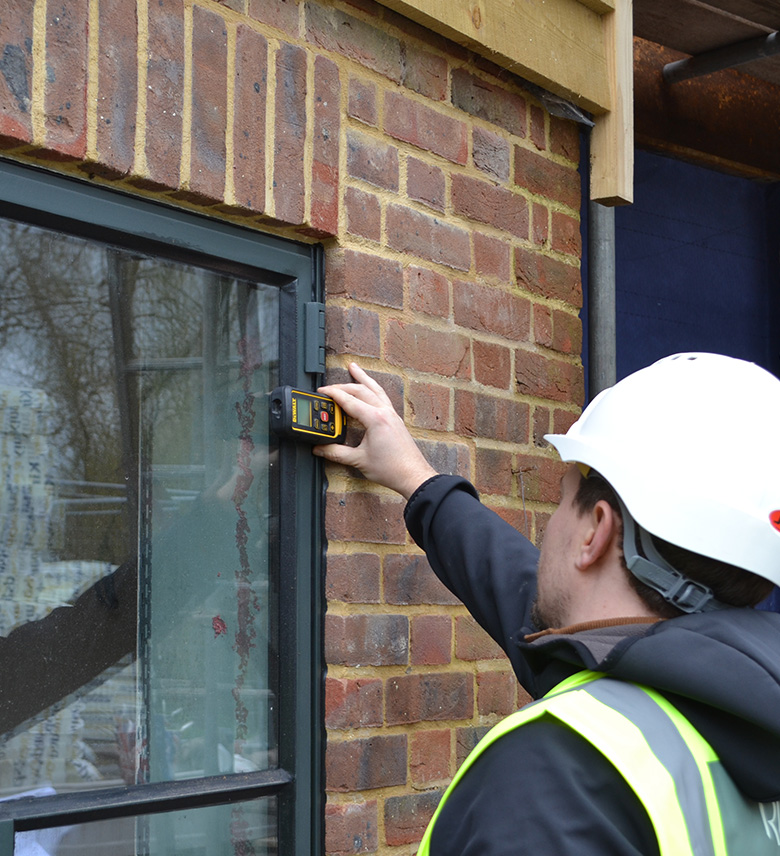
Passivhaus isn’t just for new builds. The EnerPHit standard allows older homes to be upgraded to high-performance standards while respecting existing structures.
Retrofit measures often include:
Upgraded insulation for walls, roofs, and floors
Improved airtightness and draught-proofing
High-performance windows
MVHR installation
Reduction of thermal bridging
Learn more: EnerPHit Retrofit Standard
Passivhaus principles can be applied to:
New builds and rural homes
Extensions and urban infill projects
Deep retrofit or refurbishment projects
Early integration is critical. Form, orientation, glazing strategy, and junction detailing all influence performance.
With in-house Passivhaus design capability, Richmond Bell Architects can guide you through the process, balancing comfort, sustainability, and design ambition.

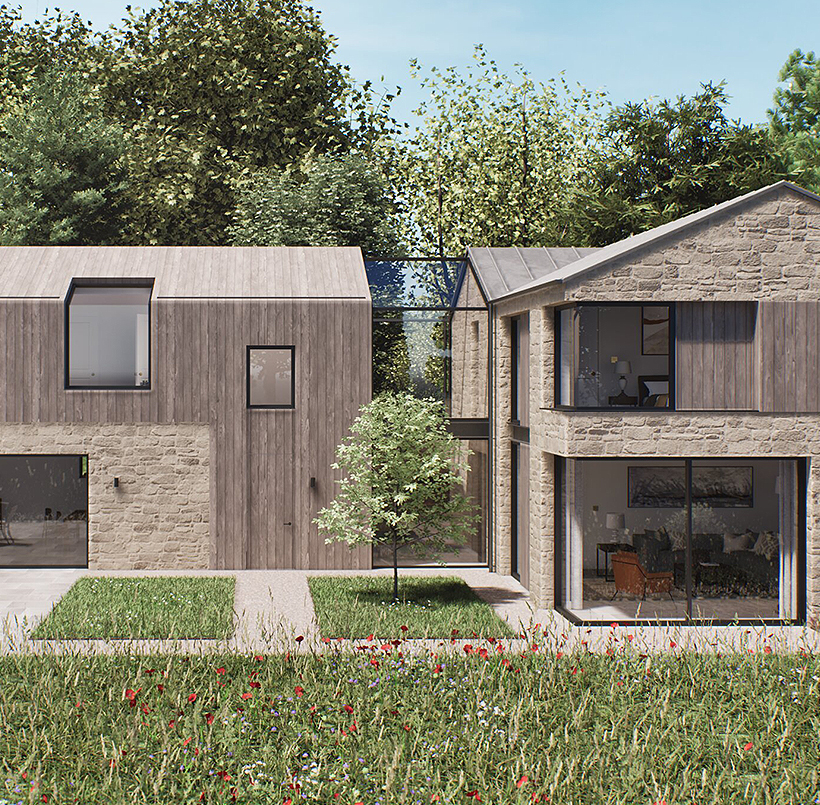
We integrate low-energy and Passivhaus design principles across our work. A recent example is Meadow Barn, a home that combines contemporary design with high-performance building fabric and low operational energy demand.
View Meadow Barn
How much more does a Passivhaus home cost?
Typically 5–10% more upfront, depending on specification, with operational savings often offsetting the initial premium.
Can I apply Passivhaus principles without certification?
Yes. Many projects adopt the principles without formal certification while still achieving excellent performance.
Does Passivhaus work in the UK climate?
Absolutely. Careful design prevents overheating in summer while minimising heat loss in winter.
Can older or listed homes be upgraded?
Yes. The EnerPHit approach allows sensitive retrofits while respecting heritage constraints
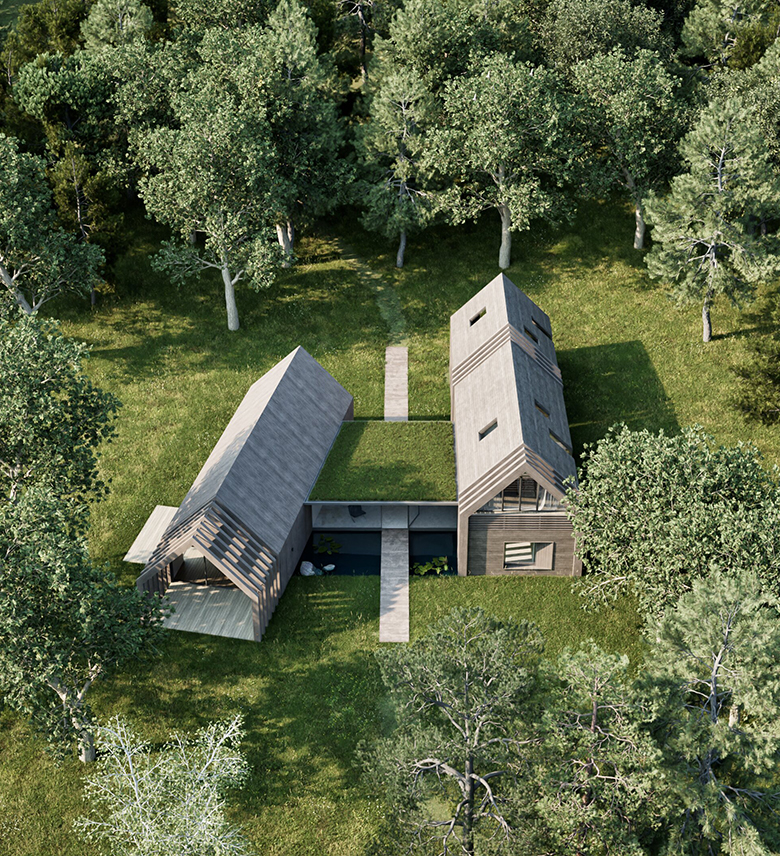
Whether you’re planning a new build, extension, or retrofit, incorporating Passivhaus principles can deliver long-term comfort, efficiency, and sustainability.
With in-house Passivhaus expertise and proven low-energy projects such as Meadow Barn, Richmond Bell Architects can guide you from concept to completion with confidence.
Contact our team today to discuss your project and explore how Passivhaus design could transform your home.
Contact Us
All Insights
View Project
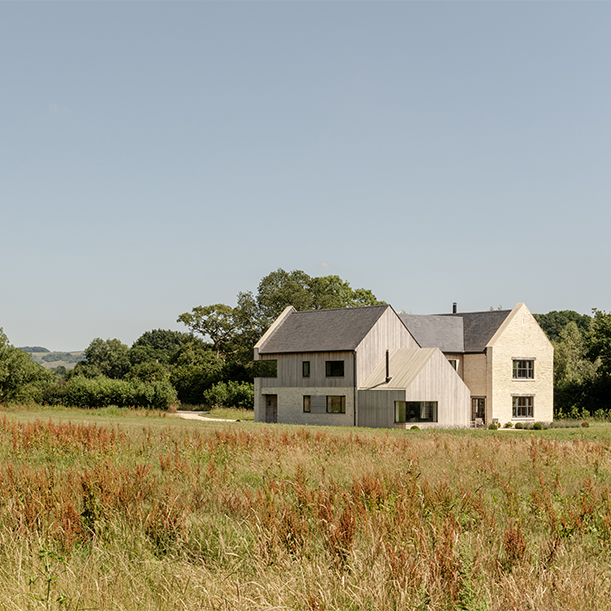
Harefield Farmhouse, Dorset
Read More
What is Biophilic Design?
Read More
How To Choose an Architect
Contact Us