We are pleased to announce planning appeal successes for both a sustainable replacement dwelling within the South Downs National Park and works to a historic barn near Shepton Mallet
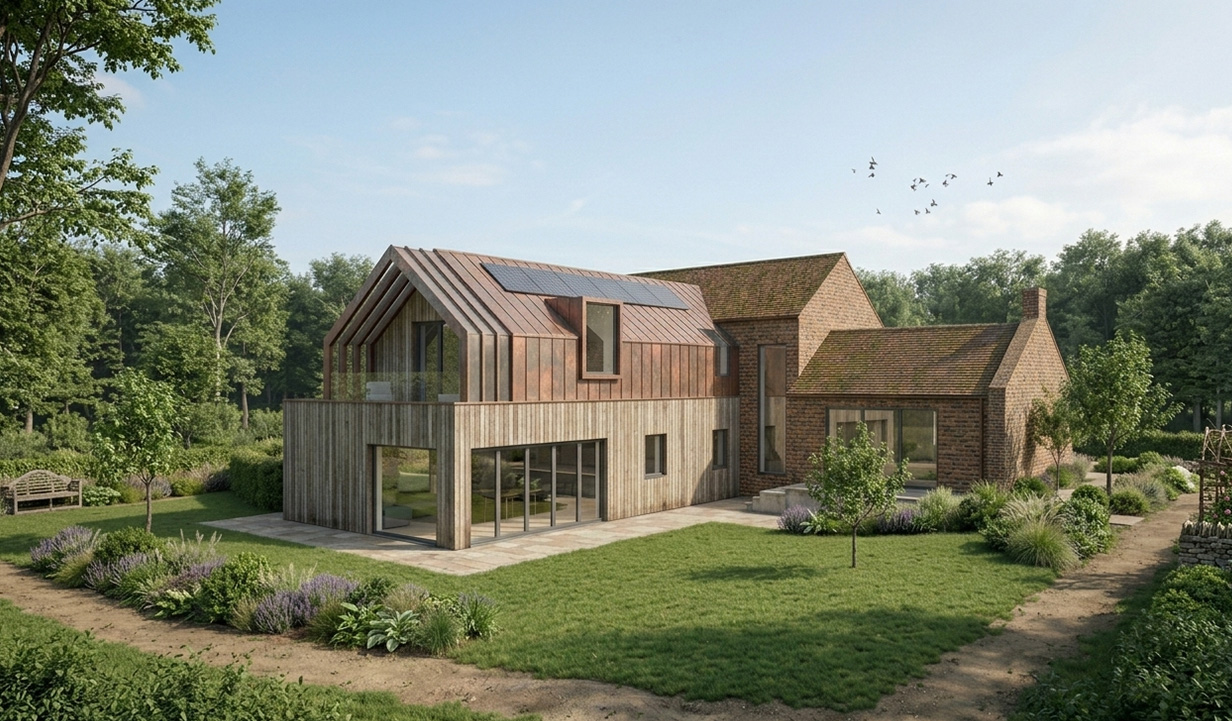
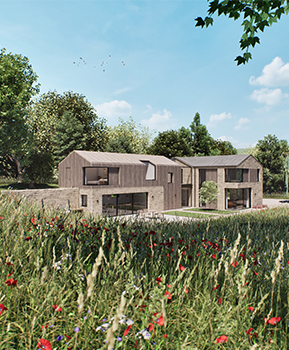
Permission has been secured on appeal for a carefully designed 4-bedroom replacement home near Haslemere that will deliver a low-carbon rural dwelling. Designed to Passivhaus principles, the new house replaces a failing building and demonstrates how sustainable architecture can positively contribute to a protected landscape while meeting national and local policy objectives, including Policy SD48, which promotes development that reduces energy demand.
The approved scheme, submitted in collaboration with Atlas Planning, replaces the existing house with a thoughtfully designed new home. Central to the appeal’s success was its commitment to minimising visual impact. The building has been repositioned further into the site and is largely screened within its woodland setting, ensuring it is not visible from surrounding public viewpoints. Its scale is deliberately non-dominant, responding sensitively to the proportions and character of the natural landscape. A contemporary interpretation of the local vernacular, as encouraged by the South Downs Design Guide, is expressed through a restrained palette of natural materials and sensitive landscaping that enhances biodiversity and reinforces local character.
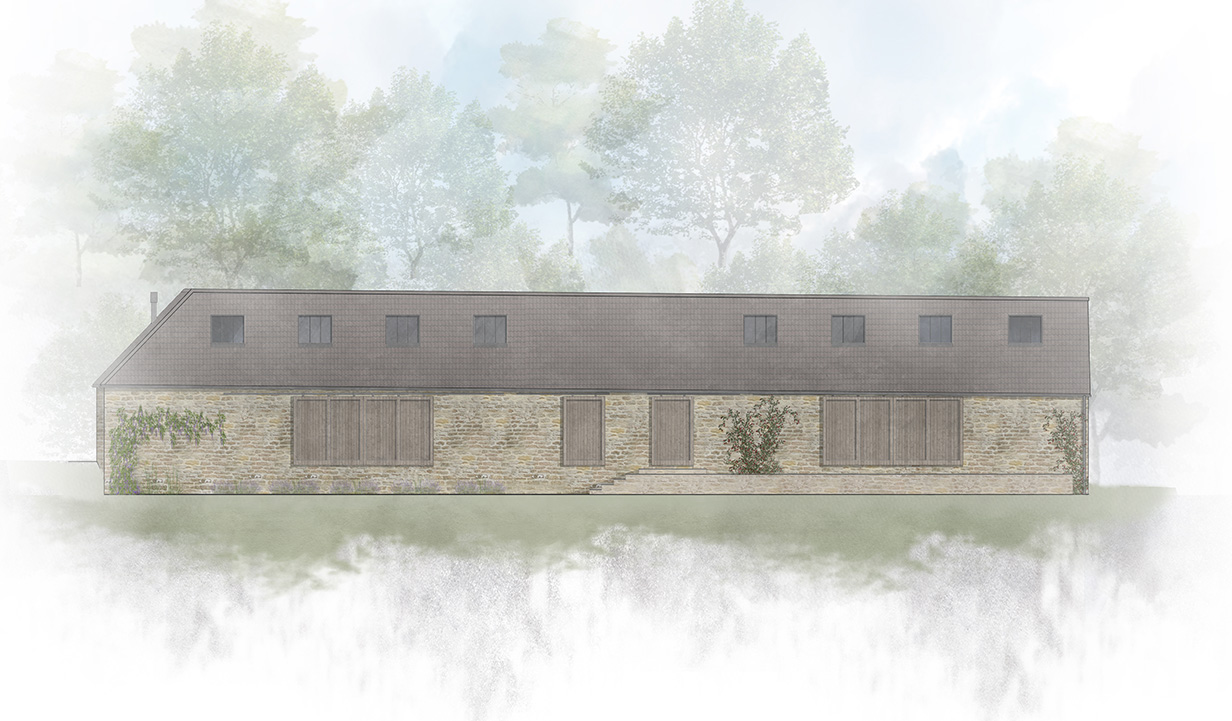
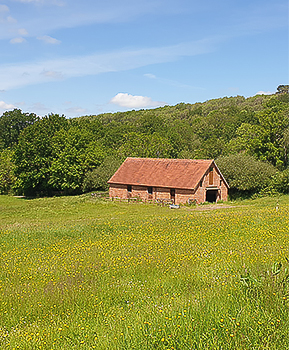
In Somerset, working closely with Pegasus Planning Group, we successfully overturned a refusal of listed building consent and planning permission for the conversion of an agricultural barn in the curtilage of a Grade II listed farmhouse into a yoga and artist's studio,
The Appeals Inspector disagreed with the conservation officer’s concerns, concluding that the proposals would not undermine the barn’s form, authenticity and character, nor compromise its relationship with the listed farmhouse. Instead, the works were found to represent a sensitive conversion, preserving its significance and special interest. The Inspector also stated that the proposals, in particular the addition of timber shutters 'would enhance...the appreciation of the farmyard setting'.
Together, these decisions demonstrate that well-reasoned, contextually responsive design – whether contemporary low-carbon housing or careful heritage adaptation – can successfully navigate the appeal process and deliver high-quality outcomes within both protected landscapes and historic settings.
If you are facing planning challenges within a National Landscape (AONB) or Conservation Area, our team has the experience and determination to guide your project forward — even where permission has previously been refused.
From low-carbon replacement dwellings to sensitive listed building works, we combine thoughtful design with robust planning strategy to unlock complex sites and deliver lasting value.
If you would like to explore the potential of your site or discuss an ongoing application or appeal, we would be pleased to hear from you.
Contact Us
All Insights
View Project
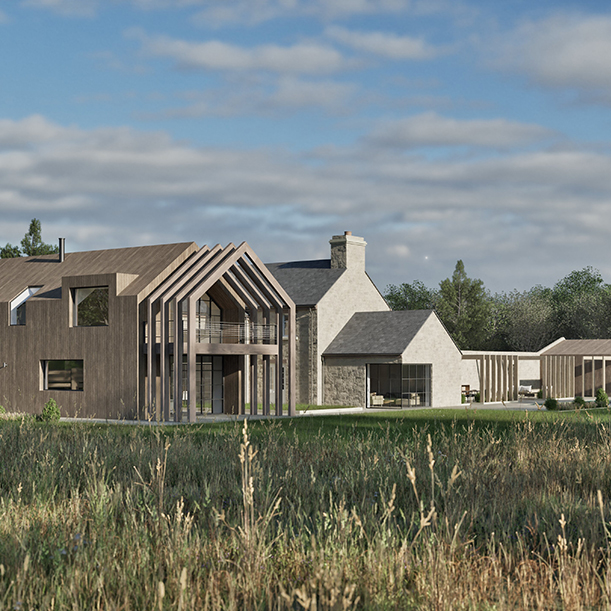
The Old Chicken Shed, Dorset
Read More
Why do I need a Planning Consultant?
Read More
What is Passivhaus? A Guide to Low-Energy Homes in the UK
Contact Us