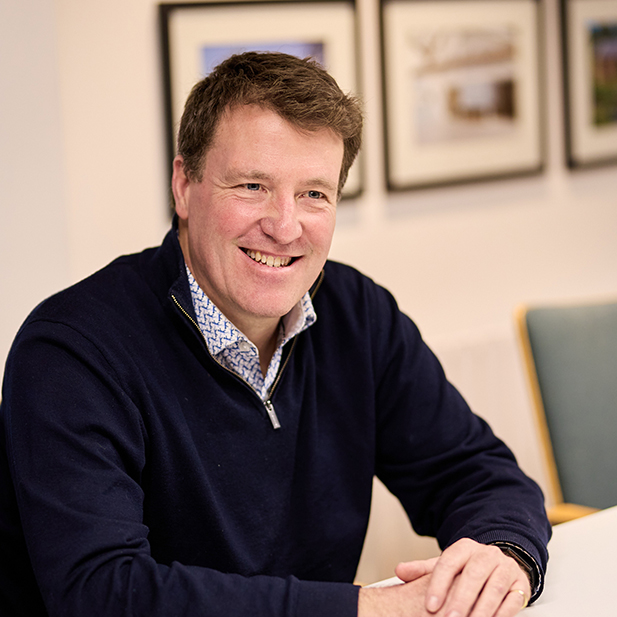
Bluebook Agency featured Richmond Bell Director James in their latest '10 Questions' interview.
Read the interview on the Bluebook website or below.
1. Town or Country? Country
2. Can you name your three essentials – what items do you refuse to leave the house (or studio) without. Camera, walking boots and an ink pen.
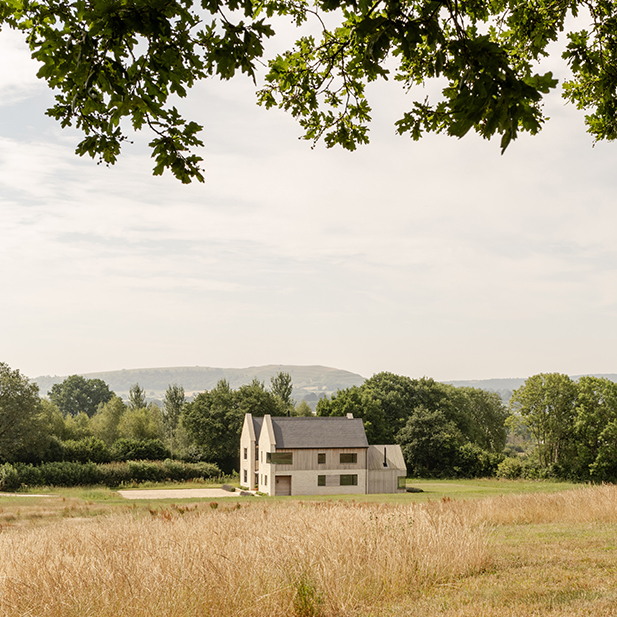
3. When you begin a new project, what is the very first thing you look for in a site or existing building? The first thing I do is go to the boundaries of the property and take in the surrounding landscape. I try to build a picture of what it looks like around the site, understand the fabric of the building and what elements of the natural world I can work with in order to create the narrative and story of the project I plan to create. I look out for footpaths, water, distinctive trees, topography and other unique natural features which I can then integrate into a design.
4. Your firm is built on collaboration; could you share details of a project or collaboration where that spirit came to life? Collaboration is absolutely central to everything we do at Richmond Bell Architects. We have done a lot of work on our core values in the past year and collaboration sits centrally to them. We like to think all of our projects are collaborative, from listening to, and understanding what the client’s needs are, to working closely with other consultants and design team members. The most enjoyable projects we are involved in are usually the ones where everyone in the practice has had an input in the design process and feels invested in what we are creating.
5. If someone could only make one meaningful change to elevate their living space, what would you tell them to consider? For me, picture windows are a brilliant way of framing a landscape and bringing nature into the home. Windows enable natural light to enhance a sense of wellbeing and connectivity to the landscape. We believe in designing with nature, so clear sight lines and uninterrupted views are essential.
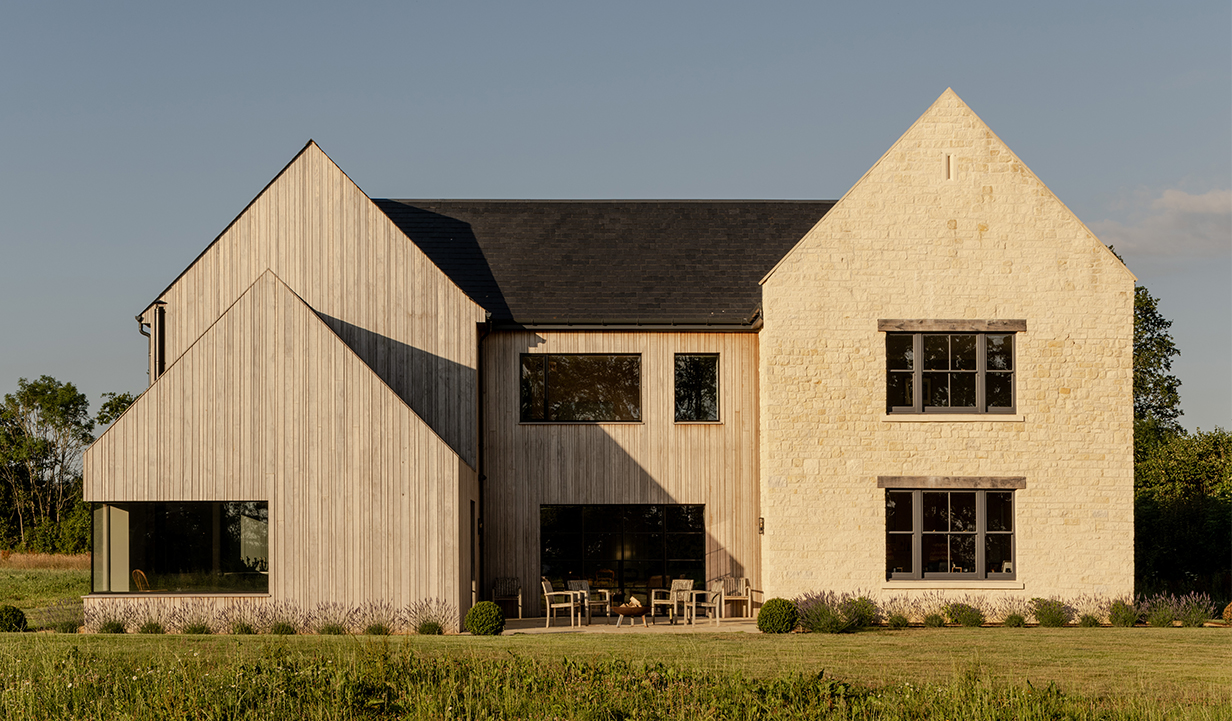
6. Do you have a design signature, whether a material, ethos or technique, that you return to time and time again? Every project we undertake is fundamentally site-specific. Wherever possible, we work with natural materials sourced locally, often within a five-mile radius of the project, as is the case with Marnhull or Chilmark stone. On several projects, we have also repurposed materials from the site, creating a direct and meaningful relationship between the building and the land it sits within.
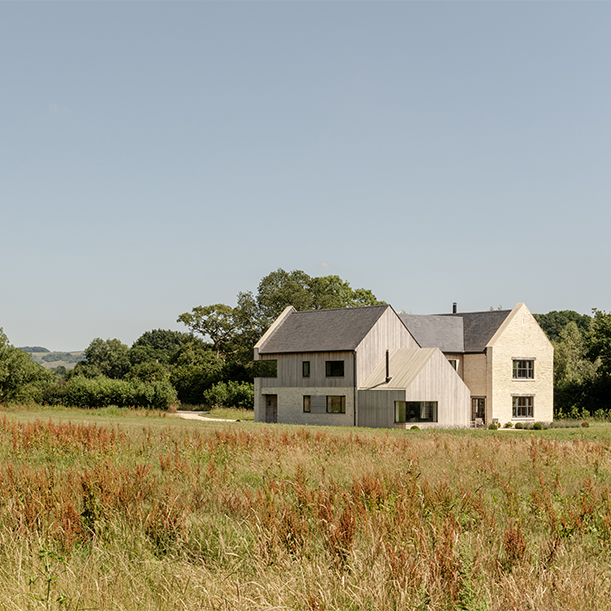
7. Harefield Farmhouse is notably entirely off-grid – why did you make this design choice and was it easy to achieve? I wanted the building to be completely self-sufficient for the long-term. It helps keep control over energy bills while producing energy in a clean and sustainable way. Some people are put off by the aesthetic of solar panels, but I find beauty in the way they sit within a landscape and harvest energy. Going off grid pushes the boundaries of what is possible and moves us away from over reliance on fossil fuels. It’s the right thing to do from a planetary perspective and provides energy security in an increasingly volatile world.
8. Sustainability can mean so many things in practice. How do you balance ecological responsibility with the realities of client expectation, budget and heritage considerations? It’s about educating clients to allow them to make an informed decision on what their priorities are for the project.
8. Sustainability can mean so many things in practice. How do you balance ecological responsibility with the realities of client expectation, budget and heritage considerations? Every project we undertake is fundamentally site-specific. Wherever possible, we work with natural materials sourced locally, often within a five-mile radius of the project, as is the case with Marnhull or Chilmark stone. On several projects, we have also repurposed materials from the site, creating a direct and meaningful relationship between the building and the land it sits within.
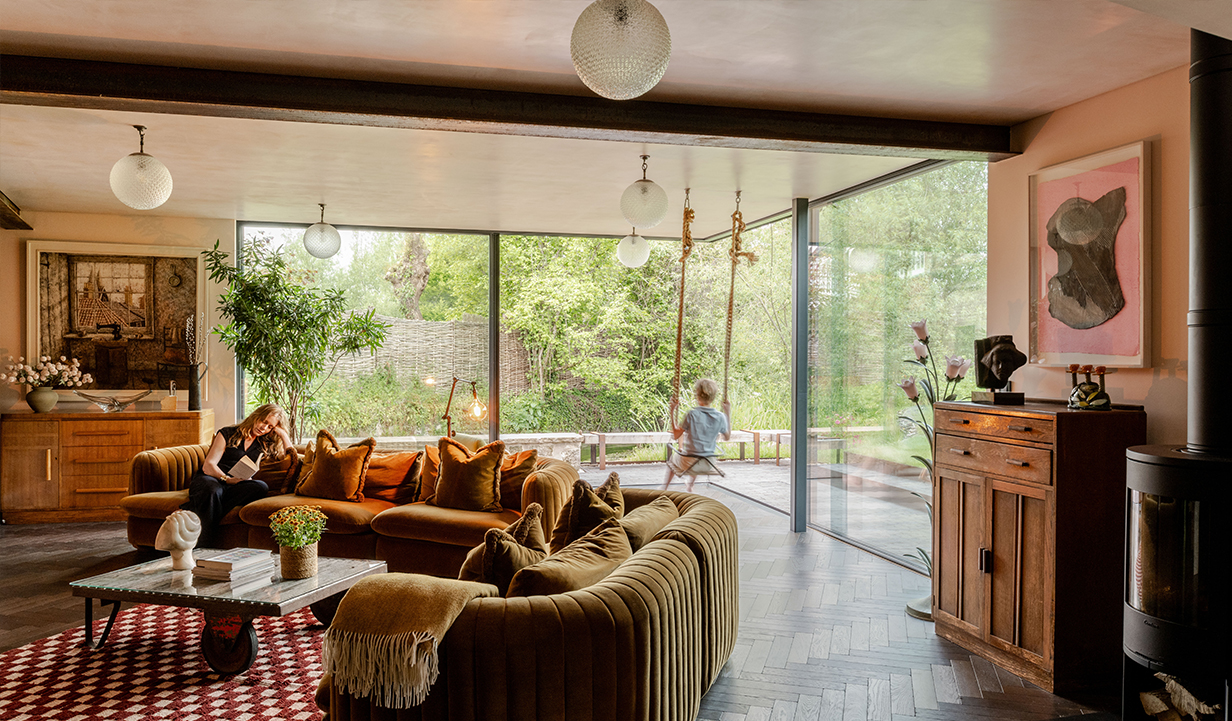
9. What project are you excited about right now, and why? We have recently completed a number of projects and are looking forward to sharing them across a range of media platforms. One project that is particularly close to our hearts is the Mill House in Salisbury. Despite a number of challenges, we embraced a nature-led approach to sensitively restore this historic building within an urban context. The River Bourne quite literally flows through the property, creating a remarkable setting and an inspiring environment for the resident artist to live and display their sculptures.
10. What makes a property a Blue Book property? A Blue Book property is a forever home for family and future generations.
--------
All Insights
View Project
Harefield Farmhouse, Dorset
Read More
How To Choose an Architect
Read More
How Can I Retrofit My House To Improve Its Sustainability?
Contact Us